
Friendsgiving is the relaxed cousin of Thanksgiving: friends, good food, and no formal rules, all shared around one table. The secret to hosting one without stress is to keep it simple from the start. Pick a small menu you can actually cook, ask friends to bring one dish each, and set a timeline that leaves you free to enjoy the evening. If the food is warm, the table is welcoming, and nobody is rushing, your Friendsgiving will feel cozy, even if everything is not perfect.
Start by deciding the size and the style. A group of six to ten people is easy to feed and easy to talk to. Larger groups work too, but they need more food, more seating, and more planning, so keep your first Friendsgiving small if you can. Choose a date that works for most people, even if it is the weekend before Thanksgiving, and send a simple message with the time, the address, and what to bring. Clear information early prevents a week of back-and-forth messages later.
Next, choose a menu with one star dish and simple sides. A roast chicken, a baked pasta, or a slow cooker main can feed a crowd without a whole day in the kitchen. Add mashed potatoes, a green vegetable, bread, and one dessert, and you have a full meal. Ask each guest to bring one item: a side, a dessert, drinks, or ice. That shared menu is part of the charm of Friendsgiving, and it keeps costs and cooking fair. If you want more hosting ideas, our guide to hosting a simple fall gathering without stress uses the same low-pressure approach.
Plan a Menu That Cooks Itself (Almost)
The best Friendsgiving menus are built around dishes that can wait. Slow cooker meals, baked dishes, and room-temperature sides all forgive a late guest or a long conversation. Avoid a menu where everything must be served at the exact same minute, because that turns the host into a short-order cook. Pick one dish that needs the oven at a set time, and let the rest be flexible.
Write the menu down, then work backward from serving time. What can be made the day before? What can be chopped the morning of? What just needs warming up? A short prep list, done in stages, beats a frantic afternoon. Cold starters, a salad that can be dressed at the last minute, and a dessert that is bought or brought by a guest all lighten the load. If you are planning meals for the wider week too, the method in our guide to planning a week of simple dinners helps: decide once, shop once, and cook in batches.
Ask about food needs early, in the same message as the invitation. A quick question about allergies, vegetarian dishes, or foods people avoid lets you plan a menu everyone can enjoy. You do not need a separate meal for every preference. One hearty vegetarian main, or a few sides that everyone can eat, usually covers the table. Label dishes simply, so guests can serve themselves with confidence.
Set the Table for Conversation
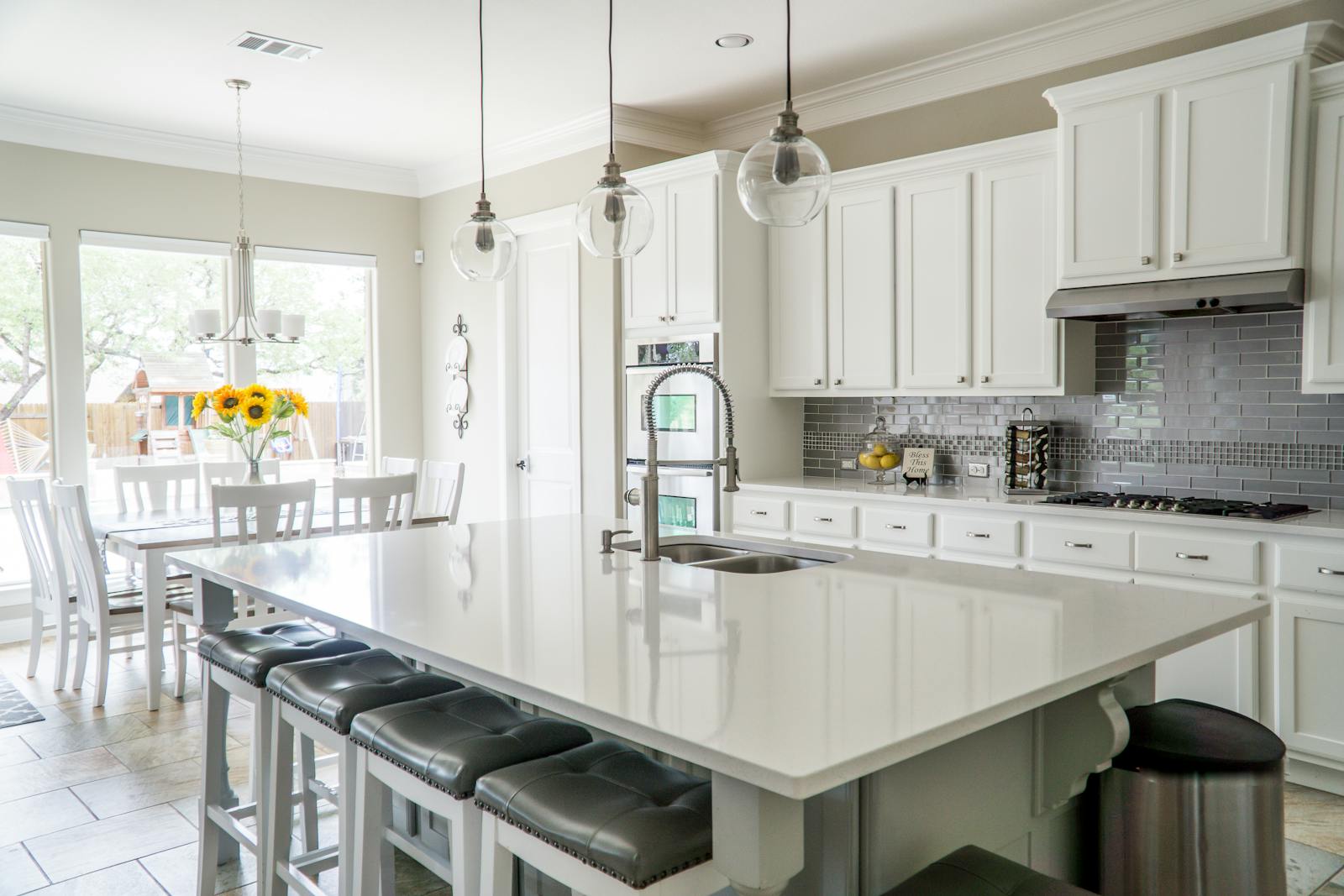
A cozy Friendsgiving table is about closeness, not formality. Use the table you have, add chairs or benches as needed, and keep the centerpiece low so people can see each other. Candles, a few autumn leaves, or a simple cloth runner add warmth without blocking conversation. Paper napkins are fine, and mismatched plates are charming, not a flaw. Guests care about feeling welcome, not about matching tableware.
Think about seating and flow. Is there room for everyone to sit comfortably? Is there a place for coats and bags near the door? Is the kitchen clear enough for guests to help? A clear entryway, like the one described in our guide on making a small entryway work harder, stops the front door from becoming a pile of coats. Put drinks and glasses in one spot, so guests can help themselves, and keep the kitchen counter partly clear for serving.
A Relaxed Timeline for the Day
A timeline keeps you calm, because you always know what comes next. Here is a simple one you can adapt to your own meal time. The day before, shop, set the table, and prepare anything that keeps well overnight, such as a dessert, a salad dressing, or chopped vegetables. On the day, start cooking in the morning, tidy the shared rooms in the afternoon, and finish with a quick shower and change before guests arrive.
When guests arrive, offer a drink and a snack, and let people settle in. Do not try to finish cooking while greeting everyone at the door. If a dish needs attention, ask a friend to stir or watch it, or simply let it wait. Most dishes can rest for ten minutes without harm, and your guests would rather talk to you than eat on a perfect schedule. Serve when the food is ready and people are hungry, not at a rigid clock time.
After the meal, keep the evening easy. Clear the table together, put leftovers into containers, and move to the living room for dessert, coffee, or a game. Friendsgiving is not a performance, so there is no need for a formal program. A playlist in the background, a simple card game, or just good conversation is plenty. If the evening winds down naturally, let it. A relaxed ending feels better than a forced late night.
Friendsgiving Hosting Checklist
- Guest list confirmed, with date, time, and address shared.
- Menu chosen: one main, three or four sides, one dessert, drinks.
- Each guest asked to bring one dish, dessert, or drinks.
- Food allergies and preferences checked before shopping.
- Shopping done the day before, where possible.
- Table set, seating checked, and entryway cleared.
- Drinks station set up so guests can help themselves.
- Leftovers containers ready for the end of the evening.
- A simple cleanup plan: clear together, wash together, rest after.
Keep Costs and Cooking Fair
Friendsgiving works best when nobody carries the whole cost or the whole workload. Sharing dishes is the easiest way to share both. If one friend loves baking, let them bring dessert. If another has a favorite side dish, welcome it. You provide the main dish, the table, and the home, and everyone else brings a piece of the meal. That balance keeps hosting affordable and fun.
If money is tight for anyone, keep the menu modest and say so kindly. A potluck-style Friendsgiving, where everyone brings something simple, is generous, not cheap. Avoid expensive ingredients or a long wine list unless the group agrees to it. A cozy meal is about the people at the table, not the price of the food on it. The same budget-friendly thinking runs through our guide to budget-friendly ways to make your home feel cozy this fall: warmth comes from simple choices, well used.
Cleanup is part of the plan, not an afterthought. Ask for help clearing the table, and accept it. Load the dishwasher together, pack leftovers into containers, and leave the deep cleaning for the next day. A ten-minute tidy after guests leave is enough: wipe the table, put food away, and stack dishes for the morning. That is the same short reset idea behind our guide to keeping a tidy home with just 10 minutes a day, and it works after a party too.
Make It Feel Like Friendsgiving, Not a Formal Dinner
What makes Friendsgiving special is the feeling that everyone belongs. A short moment of thanks before the meal, where anyone who wants to can share one thing they are grateful for, sets that tone without becoming a speech. Keep it optional and brief, so nobody feels put on the spot. A toast, a laugh, or a simple thank you for coming does the same job.
Small personal touches help too. Name cards are not needed, but a photo from a shared memory on the table, a playlist of songs your group loves, or a game everyone knows can spark conversation. Let the evening follow the group: if people want to cook together, let them; if they want to sit and talk, let them. The host's job is to create a warm space, not to direct every minute.
Troubleshooting Common Friendsgiving Worries
Running out of food is the worry most hosts name first. The fix is simple: cook a little more of the cheap, filling sides, such as potatoes, bread, and salad, and keep a backup dessert or cheese plate in the fridge. Guests rarely mind extra sides, and a full table feels generous even if the main dish is modest. If you do run short, nobody will remember it as a failure, especially if the conversation was good.
Late guests are another normal worry. Build a buffer into your timeline, and start with drinks and snacks so early guests are comfortable. Serve when most people are there, and keep a plate warm for anyone who arrives later. A relaxed host sets the tone: if you are calm about a delay, your guests will be too. The same goes for a dish that does not turn out perfectly. Serve it with a smile, or swap in a side dish as the star, and move on.
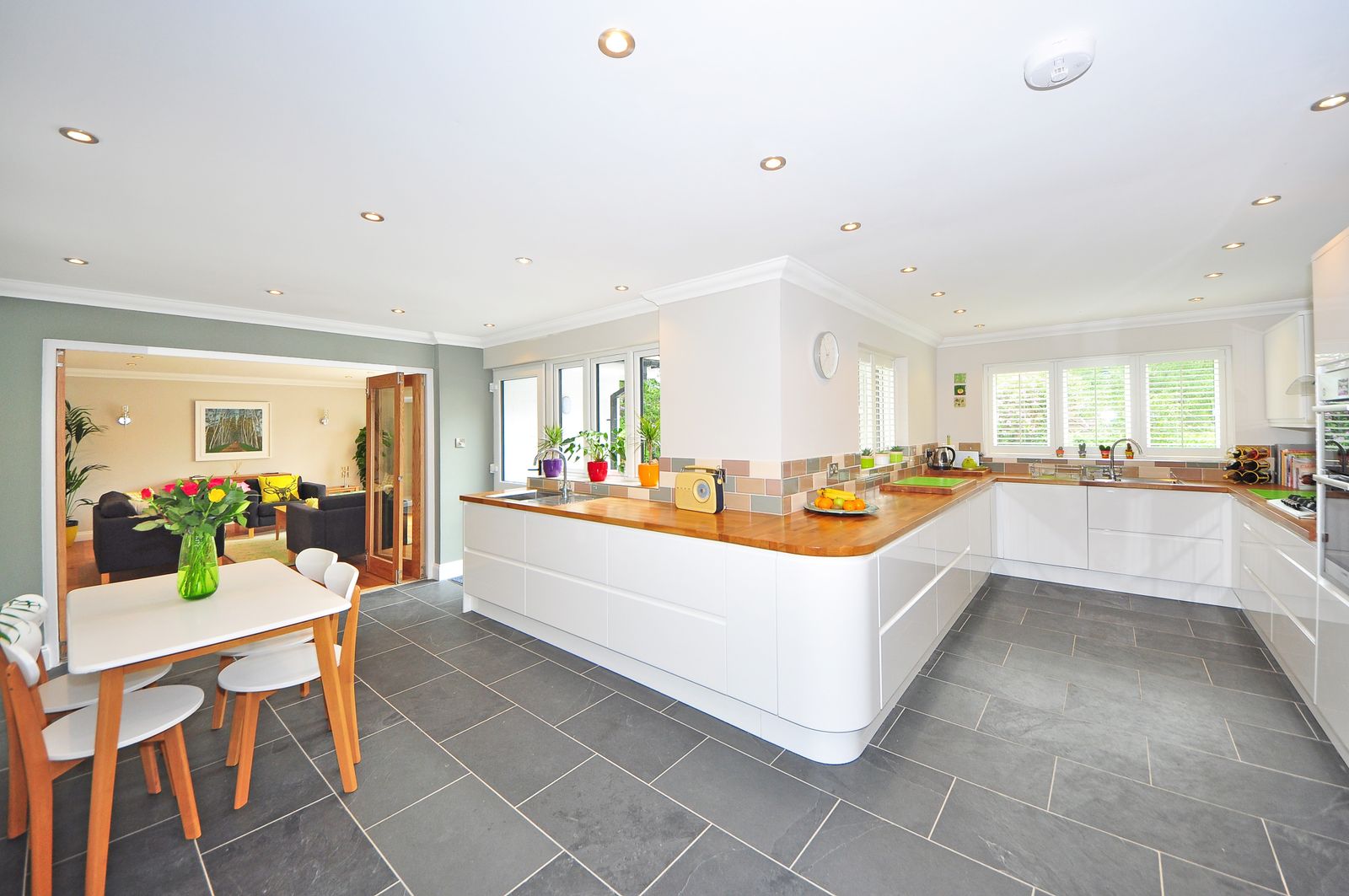
Small spaces need a little extra thought, but they can host beautifully. Use every seat you have, including a bench or a sturdy stool, and serve buffet-style if the table is too small for everyone to sit at once. Guests can fill a plate, find a cozy corner, and chat in small groups. Our guide to small-space living ideas has practical tricks for making a tiny home work for a gathering, from clearing surfaces to using vertical space.
Frequently Asked Questions
How many people should I invite to Friendsgiving?
Six to ten people is a comfortable size for most homes. It is enough for a lively table without needing extra seating, extra food, or a complicated plan.
Should guests bring a dish to Friendsgiving?
Yes, that is part of the tradition. Ask each guest to bring one item, such as a side, dessert, or drinks, and tell them what is already covered so nothing is duplicated.
What is a simple Friendsgiving menu?
One main dish, three or four simple sides, bread, one dessert, and drinks. Choose dishes that can wait or be made ahead, so you are not cooking everything at the last minute.
How do I handle food allergies at Friendsgiving?
Ask about allergies when you invite people, plan at least a few dishes everyone can eat, and label dishes simply at the table so guests can choose with confidence.
How can I keep Friendsgiving affordable?
Share the menu potluck-style, keep ingredients simple, and skip expensive extras. You provide the main dish and the home, and guests bring the rest.
A cozy Friendsgiving does not come from a perfect menu or a perfect house. It comes from friends who feel welcome, food that is warm and plentiful enough, and a host who is relaxed enough to enjoy the evening too. Keep the guest list small, the menu simple, and the timeline loose, and you will have a gathering people want to repeat next year. That is the whole point: a table full of friends, a meal shared together, and an evening that feels easy from start to finish.



0 Comments
Play nice — spam and promo links are deleted.